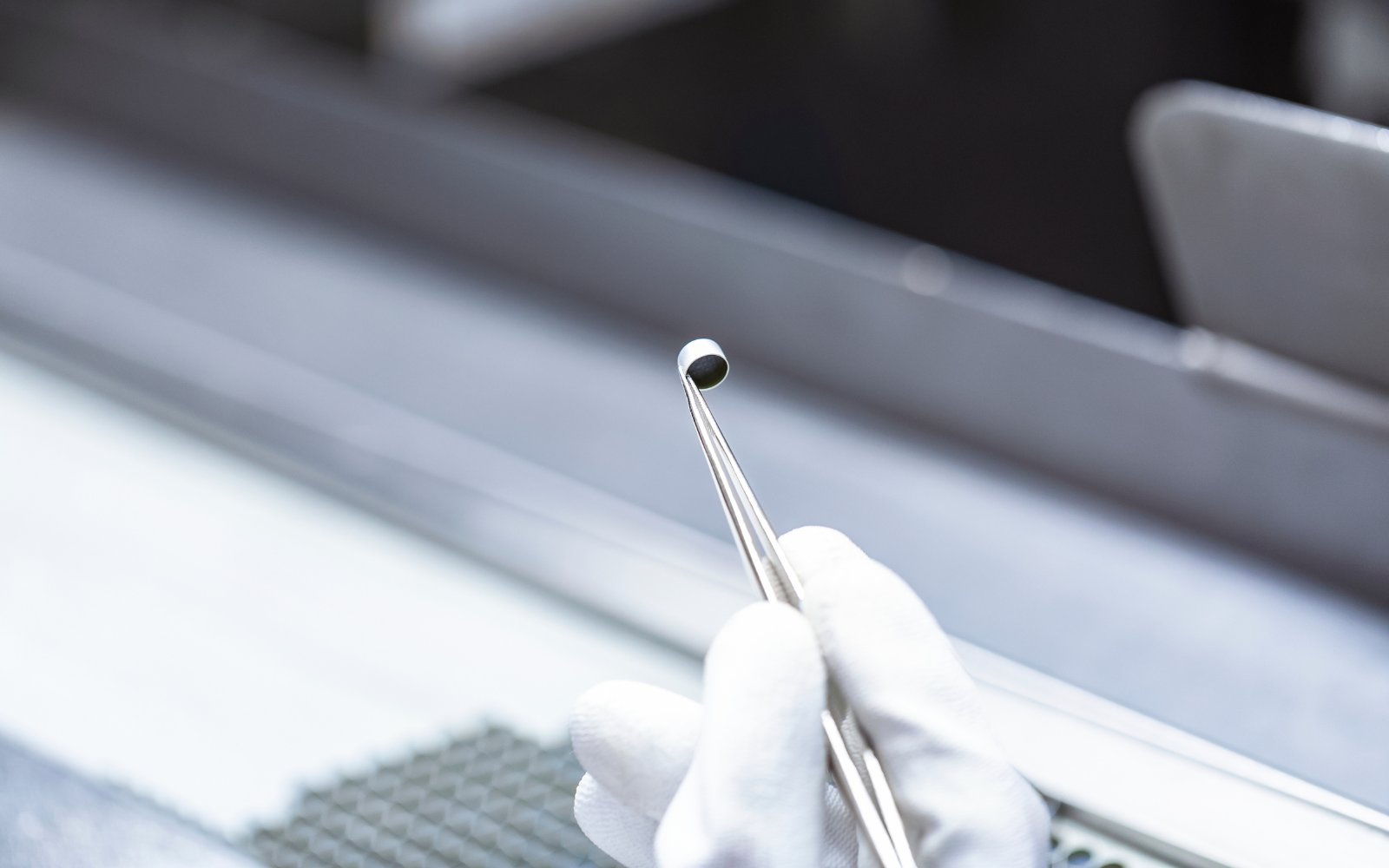
Achieving flawless functionality, minimal extractables and leachables, low particulate burden, and robust container closure integrity (CCI) in a parenteral packaging component requires more than selecting from a standard catalog — it requires embedding the packaging supplier's compound, coating, and process engineering expertise into the customer's development program from the earliest possible stage. This on-demand webinar, part of Datwyler's P.E.R.F.E.C.T.-ing the Pharmaceutical Packaging Selection Process series, provides a detailed inside view of Datwyler's co-engineering process across the full development and industrialization lifecycle. The session covers how product requirement specifications translate into design drawings, 3D models, and critical dimension tolerancing; how Finite Element Analysis (FEA) simulation is used to calculate interference fit between plunger and barrel or stopper and vial neck, enabling quantitative prediction of CCI contribution and gliding force before physical prototypes exist; the trade-offs between spray coating (OmniFlex®/NeoFlex™ — total coverage, no siliconization, optimized machinability) and film coating (UltraShield™ — thicker barrier, ultra-low temperature CCI, aggressive solvent resistance) technologies; how FMEA frameworks link equipment selection decisions directly to product specification and validation documentation; the architecture of Datwyler's automated vision inspection system — including vibratory orientation, vacuum transport, multi-camera positioning, AI-assisted operator line clearance support, and downstream automated packaging integration; and a breakthrough in secondary packaging sustainability: 100% recyclable boxes produced from 100% recycled polypropylene, validated through Box Compression Test (ASTM D4169), Puncture Resistance (ISO 3036), and 4-Point Bending Stiffness (ISO 5628) testing.