RESOURCES & INSIGHTS

Explore Datwyler Healthcare's Technical Resource Library

Access webinars, white papers, technical articles, brochures, and expert insights designed to support pharmaceutical packaging strategy, delivery system innovation, and patient-centric drug administration.
Knowledge Center

Browse the Full Resource Library

99 resources
The New Subcutaneous (SC) Landscape: Adapting Drug Delivery for Biologics Administration at Home
Webinar

The New Subcutaneous (SC) Landscape: Adapting Drug Delivery for Biologics Administration at Home

This on-demand webinar examines the structural shift toward large-volume subcutaneous self-administration for biologics — and presents the first concrete evidence of a complete 20 mL on-body injection system, featuring components from Datwyler, Stevanato Group, and LTS Device Technologies, using V9621 NeoFlex™ plungers in the EZ-fill® 20 mL cartridge with the Sorrel™ wearable platform — with CCI, break-loose force, gliding force, dose accuracy, delivery time, and hold-up volume data.
On-Demand
Watch the Webinar
When Size Matters: Evolution of Self-Delivery Solutions for Subcutaneous Administration
Webinar

When Size Matters: Evolution of Self-Delivery Solutions for Subcutaneous Administration

This on-demand Pharmapack 2026 session — co-presented by Datwyler, Stevanato Group, and LTS Device Technologies — presents the results of a pre-verified collaborative platform study validating NeoFlex™ plungers (V9547 for 5/10 mL, V9621 for 20 mL) in SG EZ-fill® large-volume cartridges integrated with the LTS Sorrel™ wearable device across 8 test configurations: statistical BLF limits derived from actual Sorrel™ device vacuum force data; one-month BLF and GF stability at 5–8°C and 20°C; dose accuracy within ±5% for all 8 configurations; patient-centric delivery times; and hold-up volumes well within specification — establishing a production-ready pre-verified platform for ≥5 mL biologic self-administration.
On-Demand
Watch On-Demand
The Rise of Large-Volume Injectors in a Patient-Centric Era
Trend Report

The Rise of Large-Volume Injectors in a Patient-Centric Era

The shift from IV infusions in clinical settings to subcutaneous self-injection at home is one of the most consequential trends reshaping biologic drug delivery — and large-volume injectors are making it possible. This report explores the evolution of auto-injectors and on-body delivery systems, the formulation and device innovations enabling volumes up to 20 mL subcutaneously, and the critical role of elastomeric components like Datwyler's NeoFlex™ plungers in supporting this patient-centric transformation.
2026 Report
Read the Report
The GLP-1 Advantage: Ensuring Efficacy and Functionality With Advanced Drug Delivery Solutions
Webinar

The GLP-1 Advantage: Ensuring Efficacy and Functionality With Advanced Drug Delivery Solutions

From GLP-1 peptide sensitivity mechanisms (aggregation, oxidation, hydrophobic interactions) and material requirements for drug stability, to a detailed case study comparing standard Advanced-tier plungers and lacquered combiseals against FirstLine® V9520 optimized plungers and DuraCoat™ combiseals — demonstrating 10–100x particulate reduction, stable gliding profiles, improved CCI, and lower total cost of ownership — this on-demand webinar equips GLP-1 packaging developers with the product selection evidence and Annex 1 compliance framework needed to accelerate regulatory approval.
On-Demand
Watch the Webinar
Future Proofing Against Forever Chemicals: Navigating the Impact of a PFAS Ban on Parenteral Packaging
Trend Report

Future Proofing Against Forever Chemicals: Navigating the Impact of a PFAS Ban on Parenteral Packaging

A proposed EU-wide ban on PFAS — the synthetic "forever chemicals" used extensively in pharmaceutical manufacturing and parenteral packaging — could affect over 70% of Europe's critical medicines and disrupt global drug supply chains. This report examines the science behind the ban, the critical distinction between harmful monomeric PFAS and safe polymeric fluoropolymers, and Datwyler's roadmap for navigating the regulatory uncertainty.
2025 Report
Read the Report
Strengthening Your Supply Chain: The Power of Dual Sourcing Pharmaceutical Packaging
Webinar

Strengthening Your Supply Chain: The Power of Dual Sourcing Pharmaceutical Packaging

With post-COVID supply chain disruptions still affecting 368 drugs on active shortage lists and lead times for critical packaging components far above pre-pandemic norms, this on-demand webinar equips pharmaceutical procurement, quality, and packaging professionals with the actionable criteria and qualification strategies needed to implement a resilient dual sourcing program for parenteral packaging components — including PrimeCaps™ aluminum seals evaluated against ISO, GMP, and CCI requirements.
On-Demand
Watch the Webinar
Assurance in Injectable Drug Packaging: A Strategic Checklist for Aluminum Component Compatibility, Compliance, and Continuity
Guide

Assurance in Injectable Drug Packaging: A Strategic Checklist for Aluminum Component Compatibility, Compliance, and Continuity

This strategic checklist equips pharmaceutical packaging teams with six structured criteria — spanning material compliance, functional performance, dual sourcing interchangeability, sterility, customization, and supply chain resilience — to evaluate and qualify alternative aluminum seal suppliers without compromising container closure integrity (CCI) or fill-finish performance. Designed to support dual sourcing strategy for injectable drug packaging, it references PrimeCaps™ as the benchmark for machinability, residual seal force (RSF), and RTU/RFS/RTP readiness.
Access the Guide
Assurance in GLP-1 Drug Delivery: A Checklist for Compatibility, Compliance, and Confidence
Guide

Assurance in GLP-1 Drug Delivery: A Checklist for Compatibility, Compliance, and Confidence

This seven-criteria checklist guides pharmaceutical manufacturers through the selection of elastomer components for GLP-1 primary packaging applications — covering formulation compatibility, functional performance of plungers and combiseals, device and operational compatibility, regulatory and quality assurance, supply chain resilience, and lifecycle management. It references NeoFlex™ plungers, FM457 compound, FirstLine® manufacturing standards, and Datwyler's combiseal models in the context of pen and auto-injector drug delivery system requirements.
Access the Guide
PFAS in Pharmaceutical Packaging: Regulatory Landscape, Risk Mitigation, and Future-Proofing Your Supply Chain
Webinar

PFAS in Pharmaceutical Packaging: Regulatory Landscape, Risk Mitigation, and Future-Proofing Your Supply Chain

With ECHA's PFAS restriction proposal representing the broadest chemical restriction in EU regulatory history — potentially affecting all ~10,000 PFAS-containing substances including fluoropolymer coatings widely used in parenteral packaging — this on-demand webinar equips pharmaceutical packaging, regulatory affairs, and supply chain professionals with the technical and strategic framework to assess their exposure, understand the analytical testing options, evaluate PFAS-free alternatives, and implement a proactive mitigation roadmap aligned to the two most likely regulatory outcomes.
On-Demand
Watch the Webinar
Optimising the Pharmaceutical Packaging Supply Chain with Dual Sourcing
Trend Report

Optimising the Pharmaceutical Packaging Supply Chain with Dual Sourcing

Single-sourcing pharmaceutical packaging components is no longer a viable risk strategy in a world defined by geopolitical volatility, regulatory change, and demand surges like GLP-1s. This report makes the case for dual sourcing as a supply chain imperative — and shows how a well-designed dual sourcing strategy, built on differentiated materials and implemented from day one of drug development, delivers continuity, agility, and competitive advantage.
2025 Report
Read the Report
Healthcare Shake-Up: How the Latest Innovations Are Making Meds Safer and Eco-Friendly!
Blog

Healthcare Shake-Up: How the Latest Innovations Are Making Meds Safer and Eco-Friendly!

The final installment of the P.E.R.F.E.C.T. series explores Total Quality — the physical, chemical, and biological specifications that define what a parenteral packaging component must be and perform. From dimensional tolerances and camera inspection to sterilization formats, endotoxin limits, and bioburden control, this post outlines what comprehensive quality assurance looks like in elastomeric closure manufacturing.
Blog Series
Read the Blog
Advancing Injectable Drug Quality: Total Quality Management for Pharmaceutical Packaging
Webinar

Advancing Injectable Drug Quality: Total Quality Management for Pharmaceutical Packaging

This on-demand webinar equips pharmaceutical quality, packaging, and regulatory professionals with a structured Total Quality Management framework for injectable drug packaging — covering the full manufacturing lifecycle from raw material selection and process control through deviation management, CAPA, and continuous improvement, alongside real-world examples of how coated closure technologies (OmniFlex®, NeoFlex™, UltraShield™), FirstLine® manufacturing standards, lean automation, and sustainability-aligned quality practices collectively advance drug product safety, efficacy, and regulatory compliance.
On-Demand
Watch the Webinar
Packaging with Purpose: Engineering Safety for Every Dose
Blog

Packaging with Purpose: Engineering Safety for Every Dose

When a packaging component performs well in a container closure system but fails on the fill/finish line, it creates real-world consequences — from production jams and wasted product to potential safety risks. This P.E.R.F.E.C.T. series post on Engineering Capabilities covers the machining challenges that arise with serum stoppers, lyophilization stoppers, plungers, vial seals, and combiseals, along with the root causes and solutions that keep high-speed fill/finish lines running smoothly.
Blog Series
Read the Blog
Sealed for Safety: A Complete Guide to Container Closure Integrity Testing
Webinar

Sealed for Safety: A Complete Guide to Container Closure Integrity Testing

This on-demand webinar equips pharmaceutical packaging, formulation, and quality professionals with a structured CCI framework — from the fundamental definition of maximum allowable leakage limit (MALL) and the regulatory emphasis on deterministic test methods in USP <1207> and USP <382>, to side-by-side comparison of dye ingress (sensitivity ~20 µm), HVLD (~5 µm), laser-based CO₂ headspace analysis (~0.1 µm), and helium leak detection (~0.01 µm with Kirsch criterion) — and how residual seal force (RSF) correlates to CCI for vial stopper qualification.
On-Demand
Watch the Webinar
Sealed with Science: The Art of Leak-Proof Pharma Packaging
Blog

Sealed with Science: The Art of Leak-Proof Pharma Packaging

Container Closure Integrity (CCI) is the fundamental assurance that nothing enters or leaves a drug packaging system from fill to administration — and achieving it requires precise understanding of interference fit, stack-up dimensions, and the right test methodology. This P.E.R.F.E.C.T. series post explains how CCI is evaluated differently across vial, syringe, and cartridge systems, and compares deterministic and probabilistic test methods including vacuum decay, HVLD, helium leak, and dye ingress.
Blog Series
Read the Blog
From Discovery to Delivery: Co-Engineering Parenteral Packaging Components
Webinar

From Discovery to Delivery: Co-Engineering Parenteral Packaging Components

This on-demand webinar provides pharmaceutical packaging engineers and device development teams with a detailed technical walkthrough of Datwyler's co-engineering methodology for parenteral packaging components — covering product requirement specification, design drawing and 3D modeling, FEA interference fit simulation for plungers and stoppers, spray versus film coating selection trade-offs, FMEA-linked risk analysis, state-of-the-art automated vision inspection with AI-assisted line clearance, quality-driven bag configuration selection, and a 100% recyclable secondary packaging innovation using recycled polypropylene.
On-Demand
Watch the Webinar
Rubber's Crucial Role: Enhancing Drug Delivery Device Functionality
Blog

Rubber's Crucial Role: Enhancing Drug Delivery Device Functionality

For injectable drugs, the functional performance of an elastomeric closure — from the break-loose force of a syringe plunger to the self-sealing capacity of a vial stopper — directly determines whether the drug reaches the patient safely and accurately. This P.E.R.F.E.C.T. series post on Functionality walks through the key performance metrics for vial, syringe, and cartridge systems, including the upcoming changes under USP <382> that will place greater responsibility on drug manufacturers to certify whole-system functional suitability.
Blog Series
Read the Blog
Flawless Functionality: Optimizing Injectable Drug Stability and Performance
Webinar

Flawless Functionality: Optimizing Injectable Drug Stability and Performance

This on-demand webinar provides pharmaceutical packaging and device development teams with a systematic overview of the functional performance requirements that elastomeric closures must meet across vial, prefilled syringe, and cartridge container closure systems — from penetration force and re-sealing per USP <382> to plunger movement simulation during air transport, CCI at cold temperatures, and the implications of the shift from component-level to system-level fitness-for-intended-use testing.
On-Demand
Watch the Webinar
Ensuring Safety: Regulatory Choices for Pharmaceutical Closures
Blog

Ensuring Safety: Regulatory Choices for Pharmaceutical Closures

Navigating the global regulatory landscape for injectable drug packaging can be complex — with different standards set and enforced by bodies ranging from the FDA and USP to the EMA, PMDA, and NMPA. This post in the P.E.R.F.E.C.T. series breaks down the most critical pharmacopeial standards, international guidelines, and substance-of-concern considerations that pharmaceutical professionals must understand when selecting elastomeric closures for parenteral applications.
Blog Series
Read the Blog
Critical Updates to Regulatory Requirements for Injectable Packaging
Webinar

Critical Updates to Regulatory Requirements for Injectable Packaging

With USP <382> mandatory implementation set for December 2025, this on-demand webinar provides pharmaceutical regulatory, quality, and packaging teams with a section-by-section technical walkthrough of the new standard's test program — including general requirements for sample preparation and acceptance criteria, fragmentation counting at ≥150 µm, plunger break-loose and extrusion force testing on filled systems, plunger seal integrity procedures A through D, and tip cap and needle shield axial pull-off and torque testing — alongside practical takeaways for aligning qualification programs to the risk-based, clinically relevant testing strategy <382> demands.
On-Demand
Watch the Webinar
Out With the Old: Advancing the Chemical Cleanliness of Rubber Components
Webinar

Out With the Old: Advancing the Chemical Cleanliness of Rubber Components

This on-demand webinar provides a rigorous chemistry-level explanation of the extractables and leachables (E/L) contributions of each rubber ingredient category — elastomer backbone, crosslinking system, fillers, antioxidants, and other additives — alongside one-year IPA extraction data comparing FM257, FM457, and NeoFlex™ coated plungers via HS-GC/MS and GC/MS, and a review of the full extractables report documentation available to support regulatory submissions per USP <1663>, FDA Container Closure Guidance, and Ph.Eur. 3.2.9.
On-Demand
Watch the Webinar
A New Frontier in Diabetes and Weight Management: The Rise of GLP-1 Receptor Agonists
Trend Report

A New Frontier in Diabetes and Weight Management: The Rise of GLP-1 Receptor Agonists

GLP-1 receptor agonists like Ozempic®, Wegovy®, and Mounjaro® are redefining treatment for Type 2 diabetes and obesity — and driving explosive demand for high-quality injectable drug packaging. This report explores the GLP-1 market landscape, supply chain challenges, and the critical role of cartridge and prefilled syringe components in supporting safe, convenient self-administration.
2024 Report
Read the Report
Understanding Extractables & Leachables: Ensuring Product Safety with Datwyler
Blog

Understanding Extractables & Leachables: Ensuring Product Safety with Datwyler

Extractables and leachables (E&L) represent the chemical interaction risk between a rubber packaging component and the drug product it contains — and getting it wrong can compromise efficacy, introduce toxicological risk, or destabilize a formulation. This P.E.R.F.E.C.T. series post explains the difference between extractables and leachables, how to interpret and mitigate E&L data across different patient populations and dosing regimens, and how coatings and films can serve as a critical barrier between rubber compounds and sensitive drug formulations.
Blog Series
Read the Blog
Particulate Matters: Categorizations, Considerations, and Compendia
Webinar

Particulate Matters: Categorizations, Considerations, and Compendia

This on-demand webinar equips pharmaceutical quality, formulation, and regulatory professionals with a comprehensive framework for classifying, detecting, preventing, and trending particulate matter in injectable drug packaging — spanning inherent, intrinsic, and extrinsic particle origins; light obscuration and microscopic particle count detection methods per ISO 8871-3 and USP <788>; cleanroom ISO 14644-1 zoning requirements; and the real-world patient safety risks of visible and subvisible particles across intravenous, intramuscular, subcutaneous, and intraocular injection routes.
On-Demand
Watch the Webinar
mRNA: The State of Play in Oncology and Infectious Disease
Trend Report

mRNA: The State of Play in Oncology and Infectious Disease

mRNA technology transformed vaccine development during COVID-19 — and its potential in oncology, infectious disease, and precision medicine is only beginning to be realized. This report maps the current mRNA pipeline across 1,035 drug candidates, examines the emerging oncology and infectious disease landscapes, and explores the ultra-low temperature packaging requirements that will define mRNA's next chapter.
2024 Report
Read the Report
The Importance of Preventing Particulate Matter in Injectable Drug Products
Blog

The Importance of Preventing Particulate Matter in Injectable Drug Products

Particulate contamination in injectable drugs is the leading cause of drug recalls and poses direct patient safety risks — from localized vessel occlusion to life-threatening damage to vital organs. The first post in the P.E.R.F.E.C.T. series introduces the categories, origins, size classifications, and detection methods for particulate matter in elastomeric packaging components, and explains why choosing the lowest-particulate closure solution is one of the most consequential decisions in injectable drug development.
Blog Series
Read the Blog
“P.E.R.F.E.C.T.” the Packaging Selection Process
White Paper

“P.E.R.F.E.C.T.” the Packaging Selection Process

Selecting the right elastomeric packaging components for injectable drugs is one of the highest-stakes decisions in pharmaceutical development — and Datwyler's P.E.R.F.E.C.T. framework makes it systematic. This white paper walks through all seven selection criteria — Particulate, Extractables & Leachables, Regulatory, Functionality, Engineering Capabilities, Container Closure Integrity, and Total Quality — providing actionable guidance for packaging decision-makers across vial, syringe, and cartridge systems.
2024 Report
Access the White Paper
A Quality-by-Design Approach to Annex 1 and Parenteral Packaging Manufacturing and Supply
Webinar

A Quality-by-Design Approach to Annex 1 and Parenteral Packaging Manufacturing and Supply

With EU GMP Annex 1 officially effective from August 2023 and primary packaging components explicitly within its scope, this on-demand webinar equips pharmaceutical quality, regulatory, and packaging professionals with a detailed framework for how Datwyler's FirstLine® QbD manufacturing approach — spanning fluoropolymer coatings, validated washing delivering log 3 endotoxin reduction, 100% camera inspection, RTU gamma and steam sterilization validation per ISO 11137 and ISO 17665, CCI data packages, and RTP bag aseptic transfer configurations — supports customers in building and demonstrating a robust contamination control strategy compliant with Annex 1 requirements.
On-Demand
Watch the Webinar
EU GMP Annex 1 and Parenteral Packaging: A Quality by Design Approach to Sterile Manufacturing
White Paper

EU GMP Annex 1 and Parenteral Packaging: A Quality by Design Approach to Sterile Manufacturing

The August 2023 enforcement of EU GMP Annex 1 has fundamentally raised the bar for sterile manufacturing — with direct implications for parenteral packaging suppliers and their pharmaceutical customers. This report unpacks what Annex 1 requires, how its Contamination Control Strategy framework affects container closure systems, and how Datwyler's FirstLine® manufacturing concept is built to support full compliance.
2023 Report
Access the White Paper
Post-COVID Supply Chains: Strategies for Parenteral Packaging Resilience
Webinar

Post-COVID Supply Chains: Strategies for Parenteral Packaging Resilience

With 368 drugs on active shortage lists and parenteral packaging lead times still elevated well above pre-pandemic norms, this on-demand webinar provides pharmaceutical supply chain and procurement professionals with a practical framework for building long-term resilience through dual sourcing of container closure components, toolkit-based qualification strategies, proactive lead time management, and automated inventory shelf-life monitoring systems.
On-Demand
Watch the Webinar
Future-Proofing Parenteral Packaging Against Nitrosamines
White Paper

Future-Proofing Parenteral Packaging Against Nitrosamines

Nitrosamine contamination has triggered over 250 drug recalls since 2018 and poses significant regulatory and legal risk for pharmaceutical manufacturers. This report examines the origins of the nitrosamine crisis, the regulatory response from FDA and EMA, and how elastomeric component selection — including Datwyler's halobutyl-based compounds — can effectively eliminate packaging as a contamination source.
2023 Report
Access the White Paper
Advantages and Challenges of Sterilization Techniques for Parenteral Packaging
Webinar

Advantages and Challenges of Sterilization Techniques for Parenteral Packaging

Building on Datwyler's 2021 sterilization overview webinar, this on-demand session provides a more detailed technical examination of the process parameters, product interactions, equipment requirements, and design validation approaches for each sterilization method applicable to elastomeric closures — including emerging alternatives X-ray and chlorine dioxide (ClO₂) — to help pharmaceutical teams select and validate the right sterilization strategy for their specific component, packaging format, and regulatory context.
On-Demand
Watch the Webinar
Break-Loose and Gliding Force Performance in Prefilled Syringe Systems
Webinar

Break-Loose and Gliding Force Performance in Prefilled Syringe Systems

From combination product regulatory requirements under 21 CFR 3.2(e) and FDA Technical Guidance on PFS functional performance, to interference fit calculation, NeoFlex™ spray coating lubricity data, undercut trim edge rib design optimization via FEA simulation, and cold storage CCI and BL/GF consistency at -50°C, this on-demand webinar equips pharmaceutical packaging engineers with the technical framework needed to select and qualify elastomeric plunger components for consistent, patient-appropriate administration force performance throughout the drug p
On-Demand
Watch the Webinar
How to select pharmaceutical packaging for blood products
Webinar

How to select pharmaceutical packaging for blood products

Presented for the China pharmaceutical market, this on-demand webinar covers the blood products landscape in China — including market growth trends, NMPA pipeline data, and regulatory considerations — alongside a structured framework for selecting primary packaging components (vial stoppers, aluminum seals, cartridge combiseals, and prefilled syringe plungers) that meet the chemical purity, extractables and leachables, and container closure integrity requirements of blood-derived therapies such as albumin, immunoglobulins, and clotting factors.
On-Demand
Watch the Webinar
The Pivotal Role of Packaging in Patient Safety
White Paper

The Pivotal Role of Packaging in Patient Safety

Primary packaging for injectable drugs is the last line of defense between a patient and contamination — yet its role in patient safety is often underestimated. This report explores the critical risks associated with parenteral packaging, from container closure integrity and extractables/leachables to particulate contamination, and how Datwyler's FirstLine® manufacturing standard is engineered to eliminate them.
2022 Report
Access the White Paper
The Role of Parenteral Drug Packaging in Patient Safety
Webinar

The Role of Parenteral Drug Packaging in Patient Safety

From process-related and product-related particulate risk mitigation to API loss from incorrect dosage, silicone oil sensitivities in ocular injections, and CCI maintenance at ultra-low storage temperatures, this on-demand webinar uses real-world case studies to show how packaging component selection choices — including fluoropolymer-coated elastomers, modern base compounds, and container closure system evaluation — translate directly into patient safety outcomes for injectable drug products.
On-Demand
Watch the Webinar
The Digital Transformation: Preparing the Pharma Supply Chain for the Digitalization of Healthcare
Webinar

The Digital Transformation: Preparing the Pharma Supply Chain for the Digitalization of Healthcare

Datwyler's Smart Factory leadership team presents a detailed inside look at the company's digital transformation journey — covering machine connectivity for real-time process control, a DatApp store model for standardized manufacturing applications, virtual reality gamification-based operator training, augmented reality-enabled remote plant audits, and digital twinning for reducing time to market by up to 20% — in the context of a broader healthcare ecosystem shifting toward on-demand care, remote patient monitoring, and smart medical devices.
On-Demand
Watch the Webinar
Delivery Devices for Net Zero: Sustainability in the Injectable Device Value Chain
Webinar

Delivery Devices for Net Zero: Sustainability in the Injectable Device Value Chain

Datwyler joined the Alliance to Zero to accelerate the transition of the pharmaceutical supply chain toward net zero emissions — an effort that spans primary packaging, secondary packaging, fill-finish, and end-of-life considerations. This on-demand webinar introduces the Alliance's methodology, value chain framework, and 2030 ambition, alongside Körber's contribution in monomaterial secondary packaging solutions for parenteral products.
On-Demand
Watch the Webinar
Sterilization Techniques for Parenteral Packaging Components
Webinar

Sterilization Techniques for Parenteral Packaging Components

This on-demand webinar from Datwyler's elastomer and technical experts provides pharmaceutical packaging, quality, and regulatory professionals with a rigorous comparison of sterilization techniques for elastomeric closures — covering traditional methods (steam, gamma, EtO), their compound-specific trade-offs, and emerging alternatives including chlorine dioxide (ClO₂) and X-ray sterilization — supported by USP <381>, Ph.Eur. 3.2.9, and ISO 11137-referenced experimental data across fragmentation, resealability, chemical cleanliness, and extractables profiles.
On-Demand
Watch the Webinar
Parenteral Packaging for Cartridges in Drug Delivery Devices
Webinar

Parenteral Packaging for Cartridges in Drug Delivery Devices

This on-demand webinar provides a comprehensive technical overview of primary packaging components for cartridge-based drug delivery systems — including plungers, combiseals, and DuraCoat™ aluminum caps — across dental local anaesthetic, pen injector, auto-injector, and large-volume on-body wearable injector applications. It includes a real-world case study on qualifying DuraCoat™ as a dual-source combiseal solution at a major insulin manufacturer, with detailed data on particulate reduction, fragmentation, and total cost of ownership.
On-Demand
Watch the Webinar
Pandemic Preparedness: Ensuring a Robust Parenteral Packaging Supply Chain
Webinar

Pandemic Preparedness: Ensuring a Robust Parenteral Packaging Supply Chain

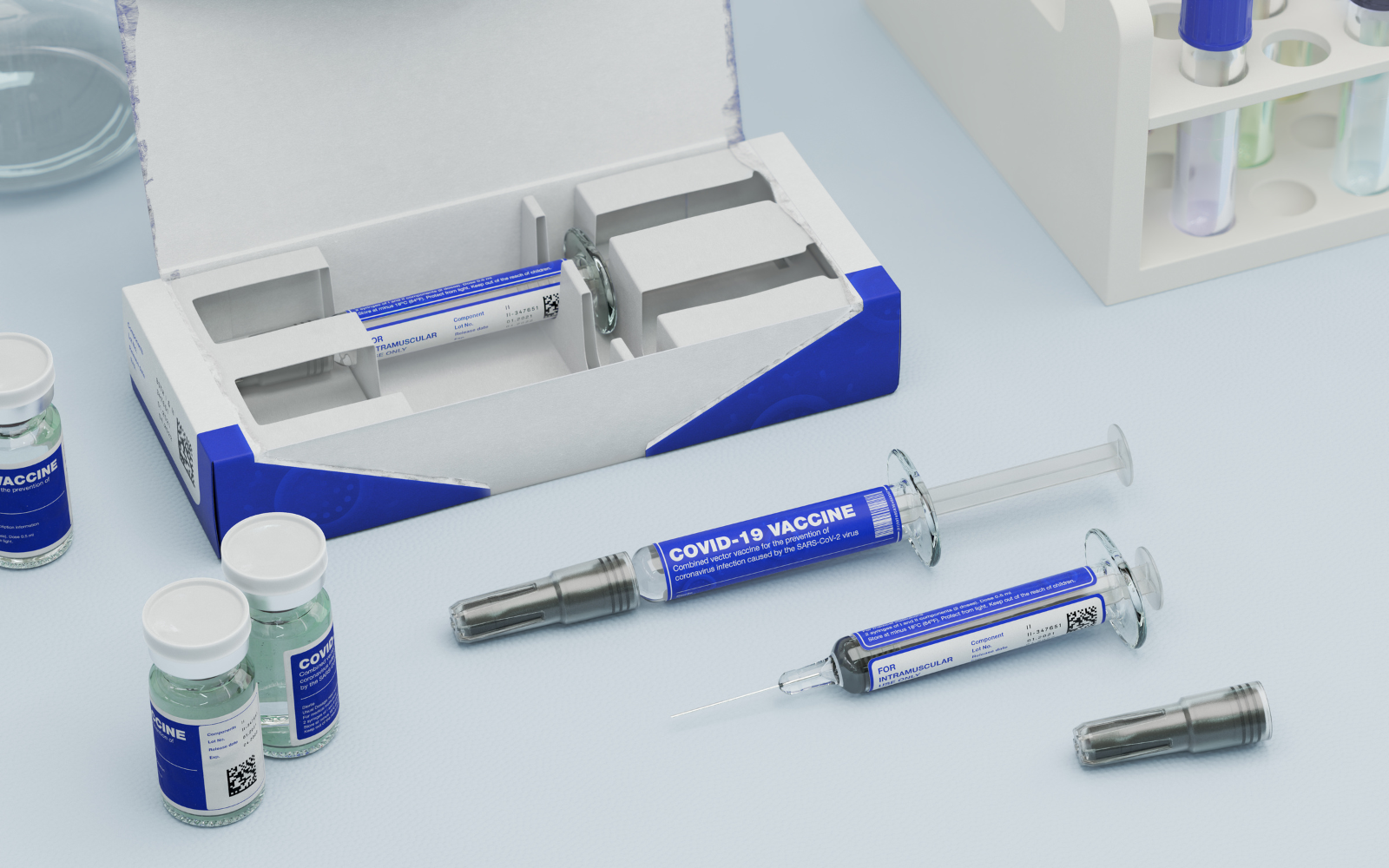
Drawing on the challenges of the COVID-19 vaccine supply chain, this on-demand webinar provides a structured framework for pharmaceutical manufacturers selecting primary packaging components for pandemic vaccine applications — covering compound recommendation, container closure integrity (CCI), cold storage compatibility, dual sourcing strategy, cross-site validation, and the mass production considerations that govern scale-out through global CDMO networks.
On-Demand
Watch the Webinar
Using Quality Principles to Analyze and Quantify Particulate Matter in Parenteral Packaging
Webinar

Using Quality Principles to Analyze and Quantify Particulate Matter in Parenteral Packaging

The final session in Datwyler's 2020 "Path to Patient Safety" series examines how Quality-by-Design principles, preventative manufacturing controls, and a structured lifecycle approach to contamination trending enable parenteral packaging manufacturers to meet the "essentially free" visible and subvisible particulate matter standards required by USP <1>/<790>, European Pharmacopoeia, and Japanese Pharmacopoeia — with particular focus on the challenges posed by biologics, lyophilized products, and novel delivery device formats.
On-Demand
Watch the Webinar
Best Practices for Meeting and Exceeding Regulatory Standards in Primary Packaging: USP <381> and <382>
Webinar

Best Practices for Meeting and Exceeding Regulatory Standards in Primary Packaging: USP <381> and <382>

This on-demand webinar delivers a comprehensive review of the June 2020 USP General Chapter revisions affecting elastomeric closures for injectable drug packaging — including the restructuring of USP <381>, the introduction of the functional suitability standard USP <382>, and the new informational chapters <1381> and <1382> — with practical guidance on implementation timelines and what these changes mean for container closure integrity (CCI), fragmentation testing, and plunger functional suitability assessment.
On-Demand
Watch the Webinar
Striving for Zero Defects: Quality-by-Design Principles for Parenteral Packaging Manufacturing
Webinar

Striving for Zero Defects: Quality-by-Design Principles for Parenteral Packaging Manufacturing

This on-demand webinar examines how pharmaceutical industry trends toward biologics, zero-defect requirements, and more stringent regulatory expectations are driving innovation in parenteral packaging manufacturing — and how Datwyler's Quality-by-Design approach, FirstLine® manufacturing standard, and fluoropolymer spray coating technology address these challenges at the component design and production level.
On-Demand
Watch the Webinar
Datwyler Healthcare Product Portfolio
Brochure

Datwyler Healthcare Product Portfolio

Datwyler's Full Visual Product Portfolio brochure provides a comprehensive reference across all primary packaging component families—sealing solutions for vials, prefilled syringes, and cartridges—presenting the complete stopper, plunger, combiseal, cap, needle shield, and tip cap range with design codes, compound options, and coating availability in a single visual format. A practical specification and selection resource for pharmaceutical and biotech procurement and development teams.
Access the Resource
DuraCoat™: The Optimal Solution for High-End Cartridge Applications
Brochure

DuraCoat™: The Optimal Solution for High-End Cartridge Applications

DuraCoat™ combiseals are Datwyler's premium aluminum seal solution for high-end cartridge applications, combining a high-quality alloy with a protective laminate to reduce particulate generation, minimize compatibility risks, and lower total cost of ownership. Available in multiple colors and liner configurations, they offer unmatched quality and visual clarity for pharmaceutical and biotech manufacturers.
Access the Resource
NeoFlex™: Discover the Future of Sensitive Drug Delivery with Innovative Coated Plungers
Brochure

NeoFlex™: Discover the Future of Sensitive Drug Delivery with Innovative Coated Plungers

NeoFlex™ is Datwyler's innovative fluoropolymer-coated plunger for prefilled syringes and cartridges, engineered to deliver exceptional compatibility with sensitive biologics and injectable drugs while minimizing particulate contamination and supporting sustainable drug delivery. Manufactured under the FirstLine® standard, NeoFlex™ sets a new benchmark for safety, purity, and reliability in drug delivery devices.
Access the Resource
Sealing Solutions for Healthcare
Brochure

Sealing Solutions for Healthcare

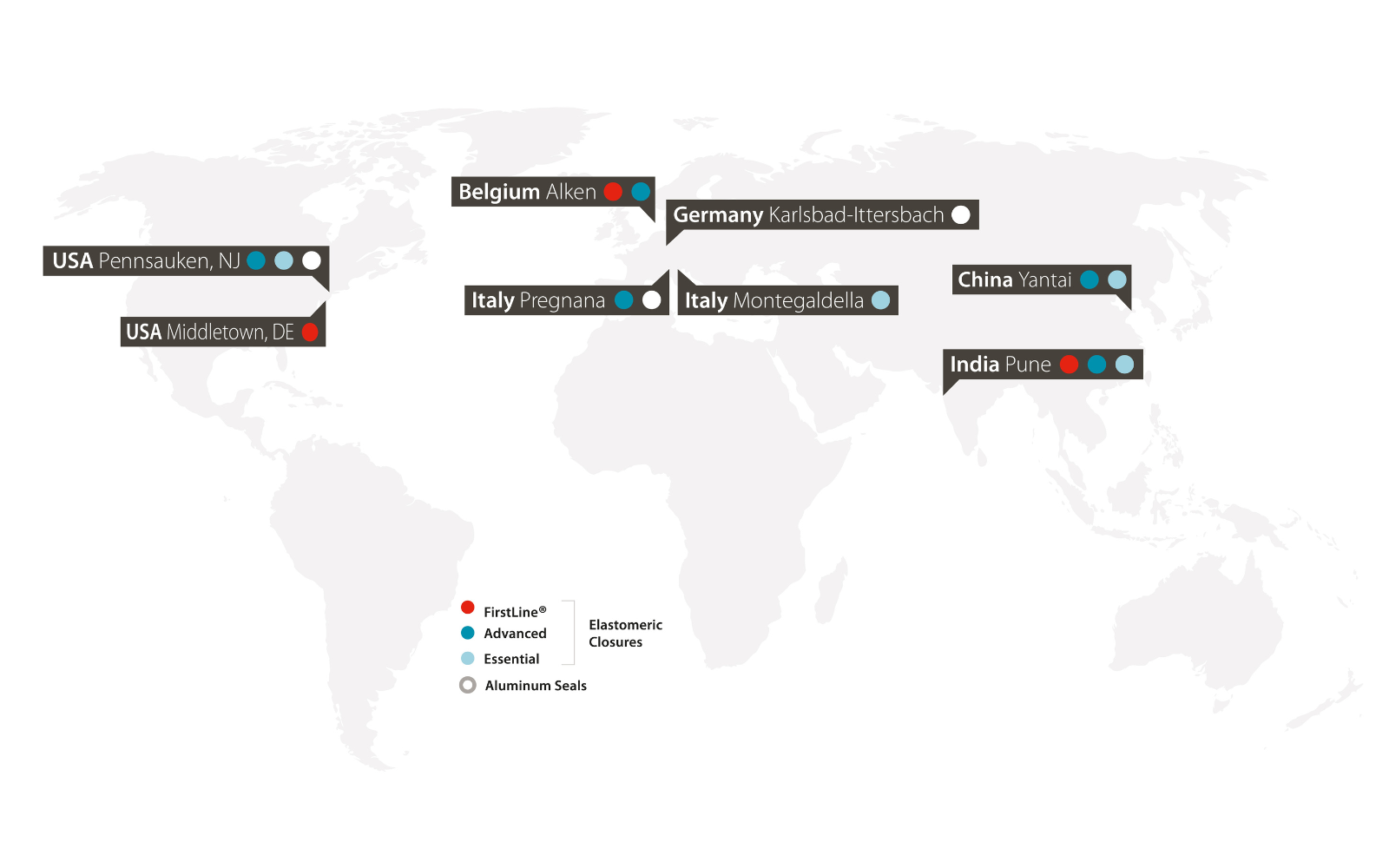
Datwyler's Sealing Solutions for Healthcare brochure is the company's flagship corporate overview, presenting Datwyler's identity, values, expertise, and complete product and service portfolio for the global pharmaceutical and biotech parenteral packaging market. It covers company heritage, six core packaging pillars, manufacturing standards, global footprint, material treatment technologies, packaging and sterilization solutions, and value-added services.
Access the Resource
Sealing Solutions for Prefilled Syringes
Brochure

Sealing Solutions for Prefilled Syringes

Datwyler's sealing solutions for prefilled syringes offer the industry's widest portfolio of plungers, needle shields, and tip caps for pharmaceutical and biotech syringe applications, covering sizes from 0.5 mL to 50 mL across FM257 and FM457 compounds, with NeoFlex™ coated options for sensitive biologics. The portfolio is compatible with all standard prefilled syringes, auto-injectors, and secondary delivery devices on the market.
Access the Resource
Solutions for Packaging and Sterilization
Brochure

Solutions for Packaging and Sterilization

Datwyler's solutions for packaging and sterilization cover the full spectrum from bulk and ready-for-sterilization (RFS) to ready-to-use (RTU) and rapid transfer port (RTP) configurations, enabling pharmaceutical manufacturers to streamline filling operations, reduce capital investment, and ensure regulatory-compliant biological cleanliness. Steam and gamma sterilization are both available, supported by a consultative approach to sterilization method selection.
Access the Resource
Comprehensive Solutions for GLP-1 Drugs
Brochure

Comprehensive Solutions for GLP-1 Drugs

Datwyler offers a comprehensive portfolio of container closure components specifically engineered for GLP-1 drug formulations, covering both robust and sensitive peptide formulations delivered via pen injectors and auto-injectors. From NeoFlex™ coated plungers and DuraCoat™ combiseals to rigid needle shields, Datwyler's GLP-1 solutions accelerate market entry, reduce total cost of ownership, and support patient safety.
Access the Resource
PrimeCaps™: Color Configurator
Brochure

PrimeCaps™: Color Configurator

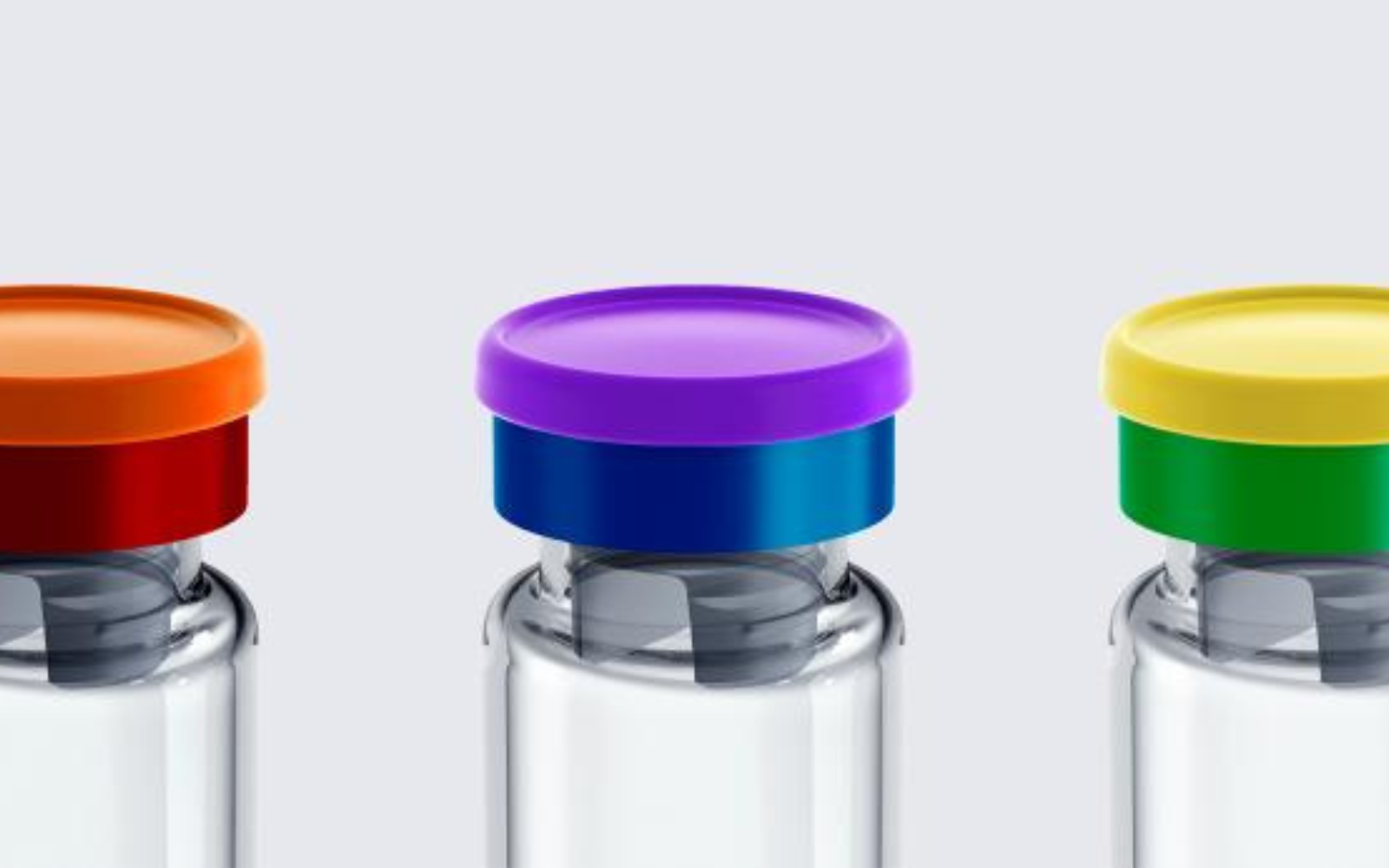
The PrimeCap™ Color Configurator gives pharmaceutical packaging teams full visibility into Datwyler's 40-color, dual-finish aluminum combination cap portfolio, available in 13 mm and 20 mm sizes across five aluminum ring colors and five cap designs. PrimeCaps™ are engineered for flawless machinability on high-speed filling lines and are available in RFS, RTU, and Rapid Transfer Port bag configurations with confirmed CCI match to Datwyler's elastomer product range.
Access the Resource
PrimeCaps™: High-Performance Seals for High-End Pharmaceutical Applications
Brochure

PrimeCaps™: High-Performance Seals for High-End Pharmaceutical Applications

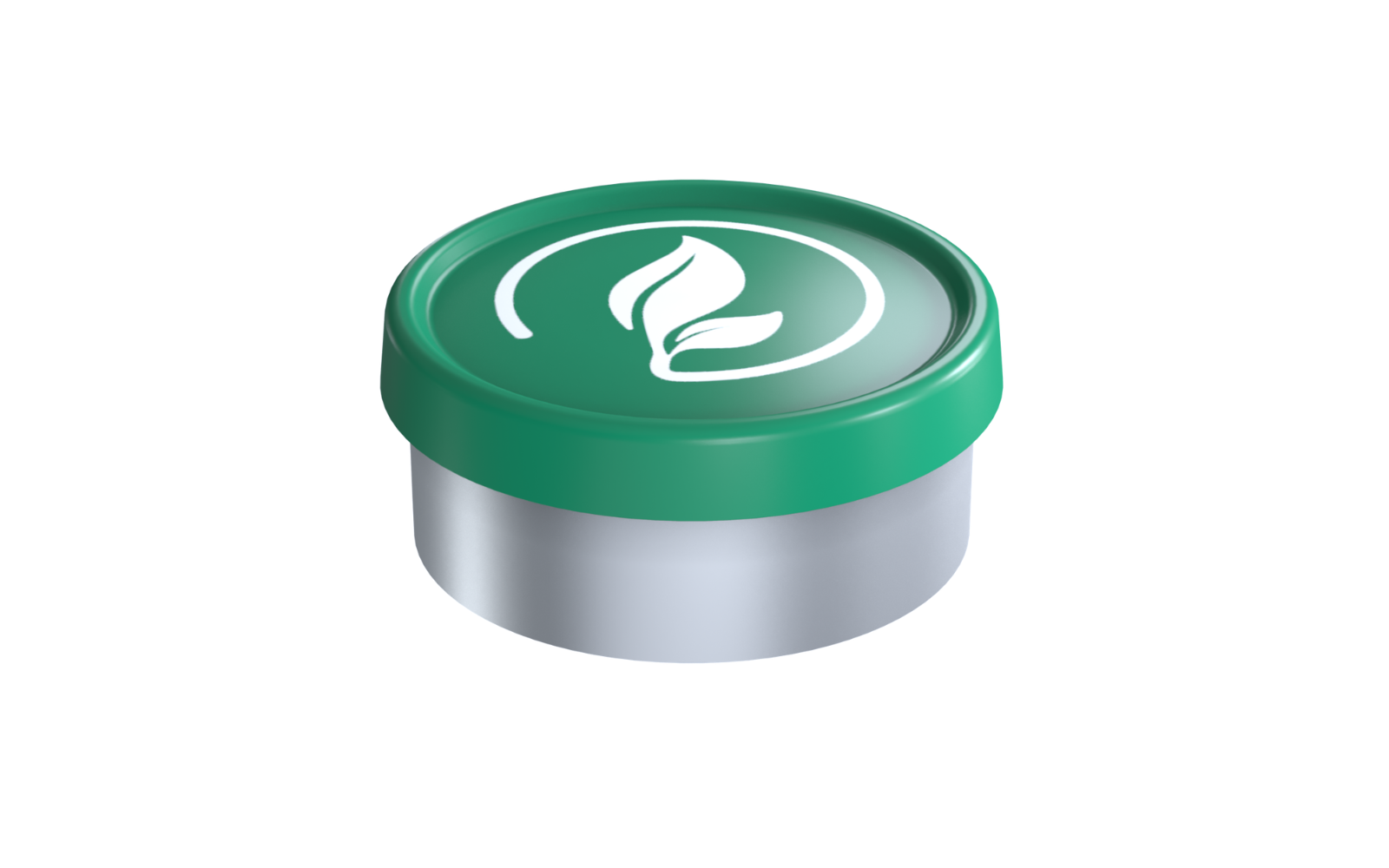
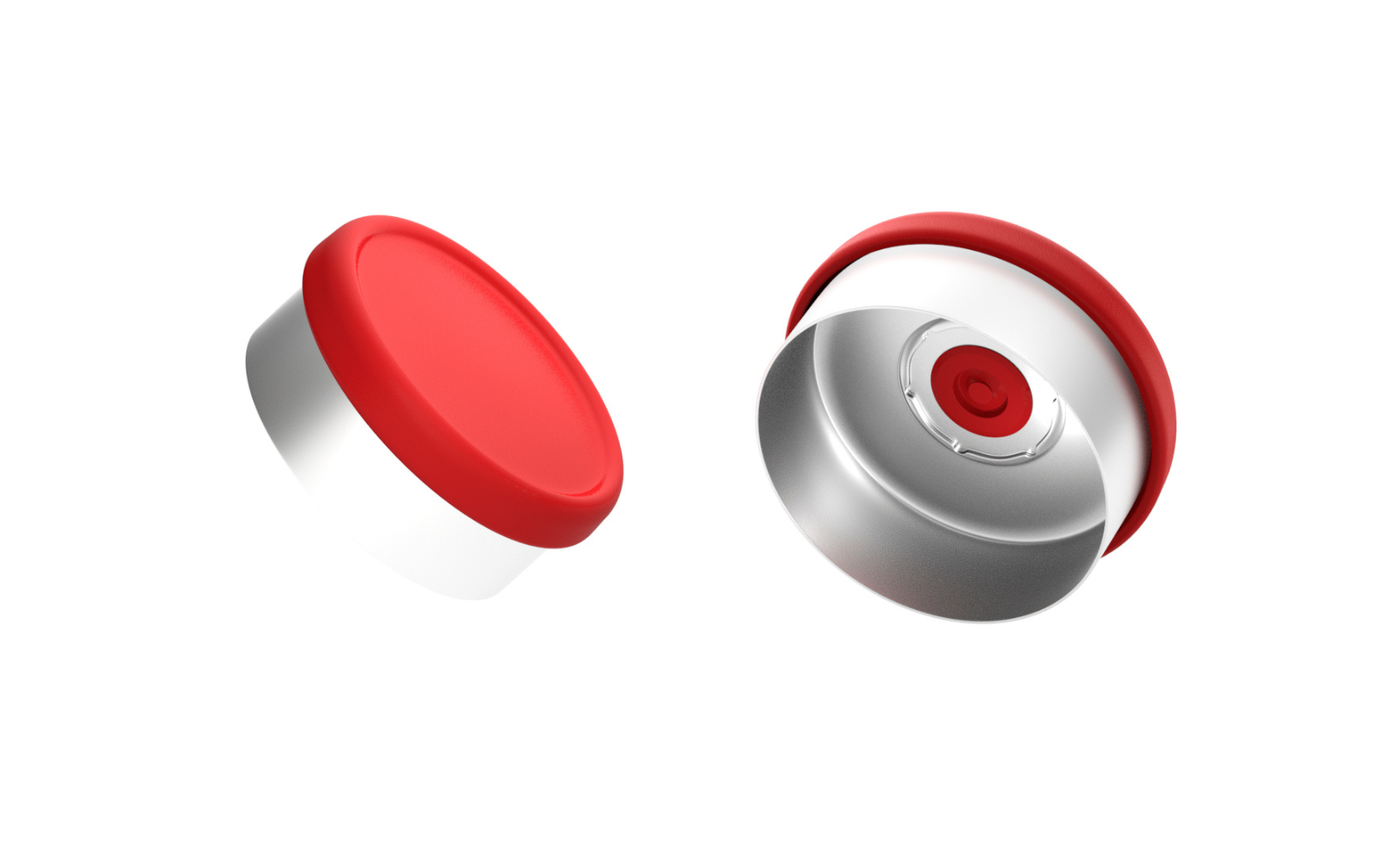
PrimeCaps™ are Datwyler's industry-leading flip-off aluminum caps for high-end pharmaceutical vial applications, combining best-in-class alloy and plastic polymers with proprietary Accurim technology to deliver flawless machineability, optimal container closure integrity, and a superior end-user experience. Available in 13 mm and 20 mm formats with 40 plastic and 5 aluminum standard colors.
Access the Resource
Flip caps engineered to combine safety and sustainability
Brochure

Flip caps engineered to combine safety and sustainability

Datwyler's bio-based flip caps replace fossil-derived plastic with second-generation feedstock polypropylene, delivering a measurably lower product carbon footprint without compromising the sealing integrity, customization options, or pharma-grade performance of traditional aluminum combination caps. The bio-based disc is ISCC PLUS certified under the mass balance approach, providing traceable and auditable sustainability claims.
Access the Resource
Precision Protection for High‑Performance Aesthetic Injectables
Brochure

Precision Protection for High‑Performance Aesthetic Injectables

Datwyler provides precision-engineered elastomer components for medical aesthetic injectables, offering NeoFlex™ coated plungers and tip caps for prefilled syringes, and OmniFlex® stoppers with PrimeCaps™ for vials—purpose-built to protect HA fillers, collagen, neuromodulators, and regenerative therapies. This two-page brochure covers both the prefilled syringe and vial formats for aesthetic applications.
Access the Resource
TECHNICAL RESOURCES

Stay informed on Datwyler Healthcare technical resources

Subscribe to receive updates on webinars, white papers, technical articles, brochures, and expert insights from our team.