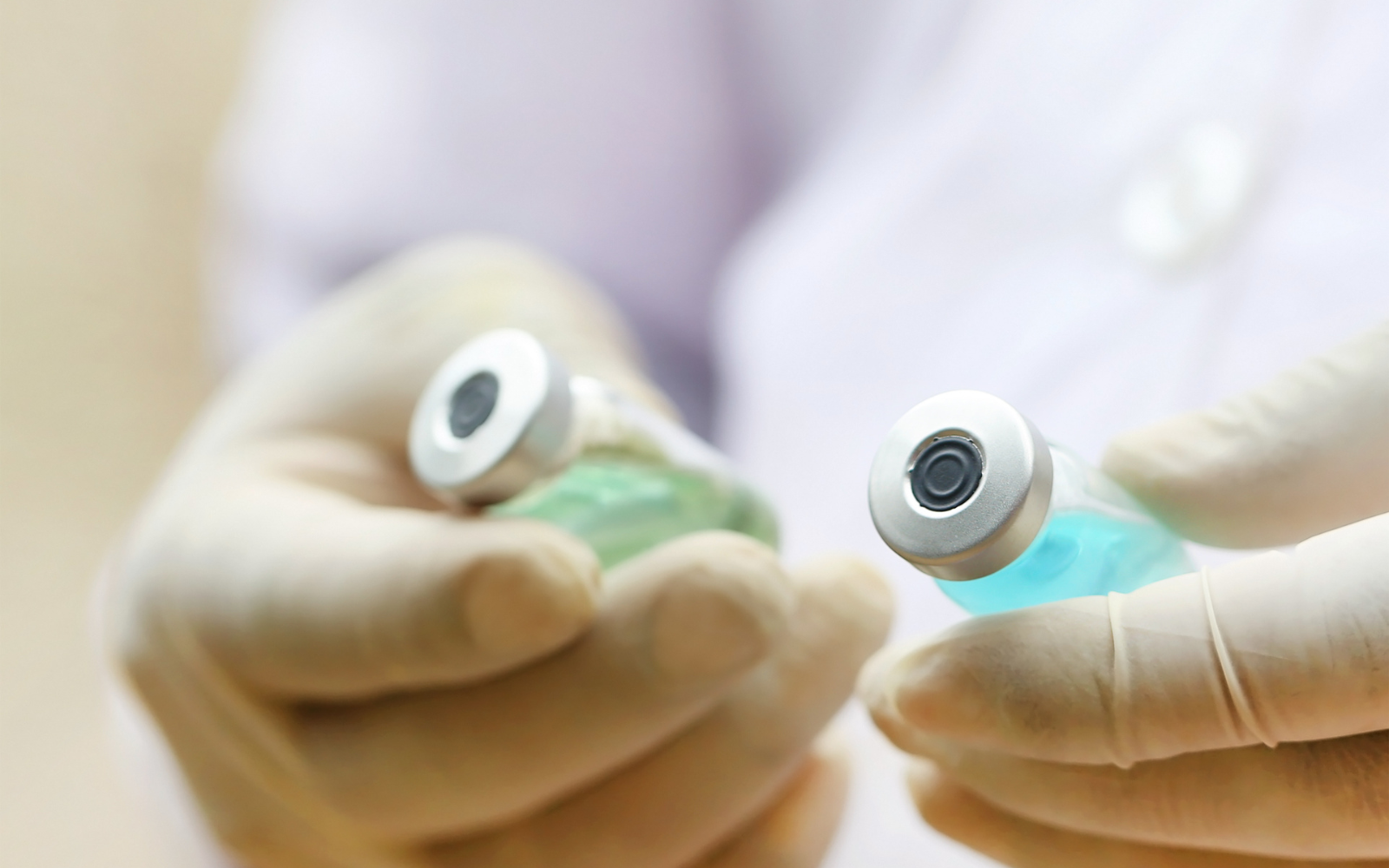
The supply chain disruptions that began during COVID-19 have not fully resolved — 368 drugs remain on active shortage lists in the United States, and lead times for rubber stoppers and plungers that ran 10–12 weeks pre-pandemic stretched to two years at peak disruption. The causes span factory shutdowns, shipping delays, trade limitations, export bans, increased demand, and product hoarding, with downstream effects including medical procedure delays, dose sparing, use of nonideal alternative medications, and increased costs for patients, hospitals, and drug suppliers. This on-demand webinar examines the pharmaceutical industry's evolving response to these disruptions and presents four strategic supply chain solutions for parenteral packaging professionals. Dual sourcing — qualifying similar container closure components from multiple suppliers to ensure continuity if a primary source is disrupted — is now being adopted by companies that previously considered the testing and qualification burden prohibitive, with the webinar noting it is substantially easier and more cost-effective to qualify a second source proactively than during an emergency. The toolkit approach simplifies multi-product supply chains by qualifying versatile, interchangeable container closure system components across drug products, reducing chemical testing, machinability evaluation, and sourcing complexity while providing inherent dual-source resilience. Lead time vigilance requires close communication with suppliers, early purchase order submission, and active monitoring of lead time changes. Automated shelf-life monitoring systems flag expiring inventory and trigger replenishment before shortfalls occur — replacing manual calculations that risk delayed reorders or accidental use of expired components.