Trend Report
Optimising the Pharmaceutical Packaging Supply Chain with Dual Sourcing
Why dual sourcing for pharmaceutical packaging components has evolved from a contingency measure into a strategic necessity — and how to implement it effectively across the drug lifecycle.
Status
Published
Format
Trend Report
Language
English
Access
Registration Required
Resource Overview
About this Trend Report
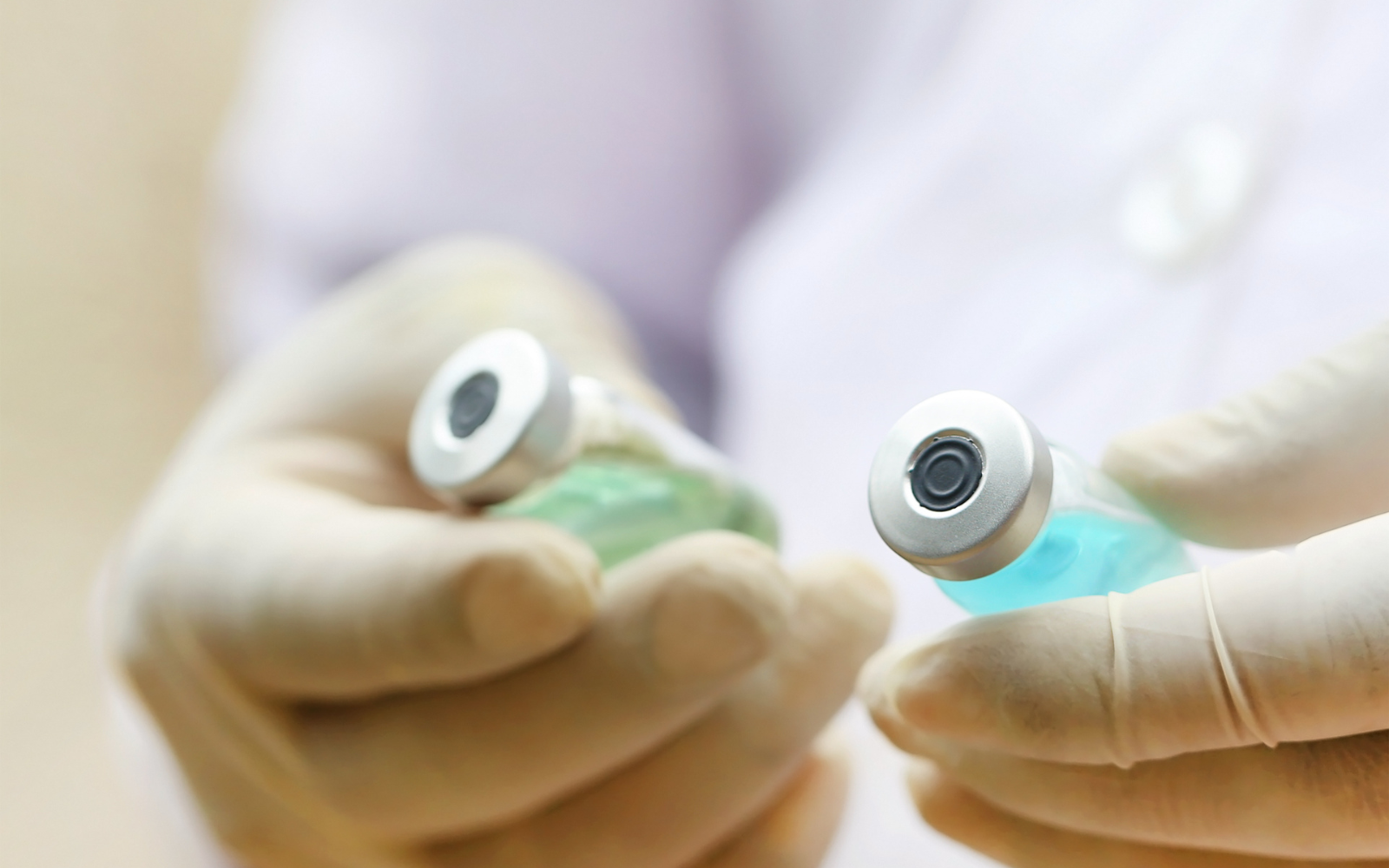
In an era of interconnected supply chains, trade tensions, pandemic demand shocks, and accelerating regulatory change, single-source dependency for pharmaceutical packaging components represents an unacceptable business risk. This 2025 report by Datwyler draws on GlobalData survey data — which ranked supply chain challenges among the top industry concerns for 2025 alongside anti-obesity medications and AI — to build the case for dual sourcing as a foundational element of pharmaceutical packaging strategy.
The report explains how dual sourcing delivers benefits beyond crisis insurance: greater negotiating power, faster access to innovation, fill/finish line flexibility, and the ability to absorb regulatory changes without supply interruption. A particularly important strategic insight is the recommendation to diversify materials within a dual sourcing strategy — not simply replicate the same component from two suppliers — as illustrated by the PFAS regulatory risk scenario, where pairing a film-coated closure with Datwyler's NFS-grade spray-coated OmniFlex® or NeoFlex™ alternative provides a hedge regardless of how regulations evolve. The report also details Datwyler's OmniFlex®/NeoFlex™ platform approach to lifecycle consistency — enabling seamless transitions from vial to prefilled syringe to cartridge using the same elastomer formulation and fluoropolymer coating — and highlights the advantage of Datwyler's globally harmonized FirstLine® manufacturing network for local-for-local supply resilience.
Access This Resource
Download the White Paper
Continue to access the full resource.
Read the Report
Quick access in under 30 seconds.