KEY TOPICS COVERED
GLP-1 peptide sensitivity and material requirements
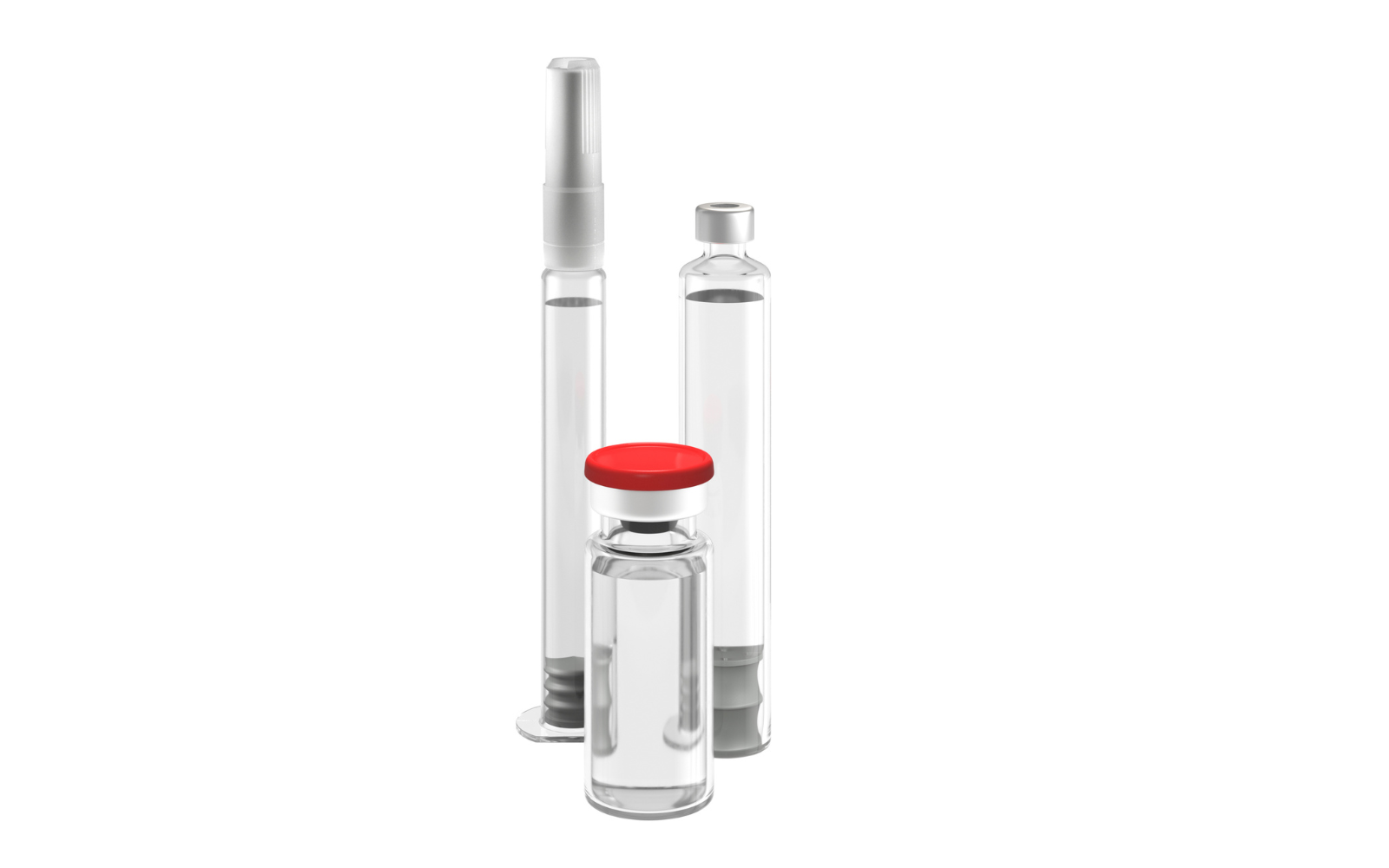
GLP-1 peptides are susceptible to aggregation from extractables exposure, oxidation from reactive leachables, and hydrophobic destabilization — making compound purity, chemical compatibility, physical sealing performance, and biocompatibility compliance non-negotiable requirements for every component in contact with the drug. FM457's ultra-low extractables BIMS formulation is presented as the primary compound solution, with NeoFlex™ fluoropolymer spray coating providing an additional inert barrier for the most sensitive formulations..
DuraCoat™ combiseals and particulate performance
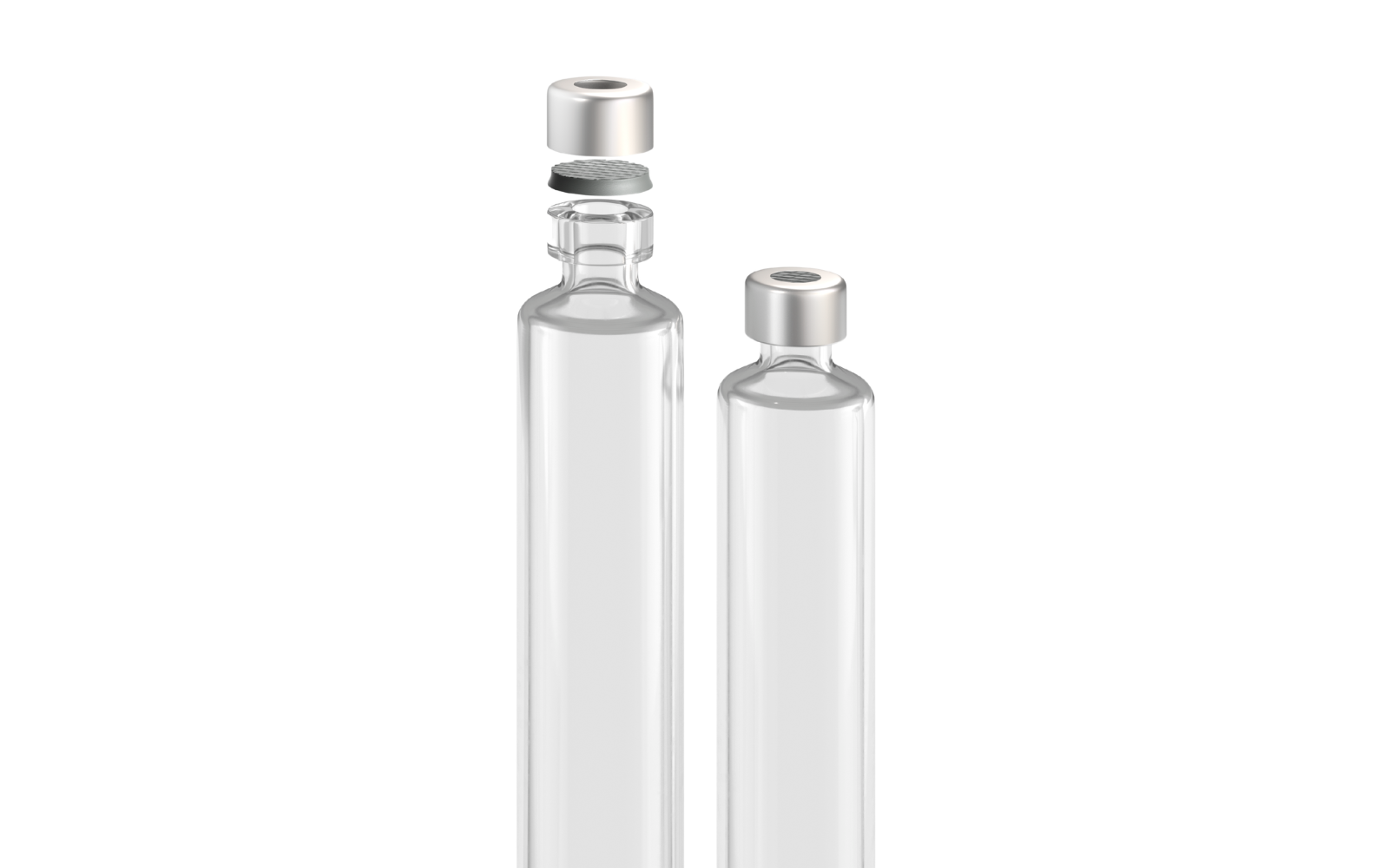
DuraCoat™ combiseals are evaluated for their role in eliminating lacquered aluminum particulate generation in GLP-1 fill-finish operations — with supporting customer data confirming 10–100x reductions in airborne particle counts versus standard lacquered combiseals. For GLP-1 manufacturers operating at mass-market scale, particulate control at the combiseal level is a direct input to product quality, reject rates, and Annex 1 compliance.
Optimized plunger design: Advanced vs FirstLine® V9520
A detailed case study contrasts a standard Advanced-tier 3mL pharmaceutical cartridge plunger against the optimized FirstLine® V9520 design — demonstrating how undercut trim edge geometry, asymmetric orientability, cone dead-volume reduction, and stricter FirstLine® bioburden (0.2 CFU/product) and endotoxin (0.1 EU/product) specifications translate into stable injection times, lower reject rates, and improved container closure integrity.
EU GMP Annex 1 compliance for GLP-1 fill-finish operations
The session concludes with Annex 1 compliance strategies for GLP-1 packaging, covering intrinsic and extrinsic particulate origins, the role of coatings in minimizing silicone-derived particles, validated washing and sterilization processes, and RTP bag configurations for Annex 1-compliant aseptic transfer — giving quality and regulatory teams a practical framework for building and defending a contamination control strategy at the component level.