Why is parenteral packaging critical for patient safety?
Unlike oral medications, injectable drugs bypass the gastrointestinal tract and some of the body’s protective barriers. The performance of every component in the delivery system can therefore affect drug quality and patient safety.
This is especially important in home-care drug delivery, where injectable systems must perform reliably outside controlled clinical environments and in the hands of patients or caregivers.
Primary packaging plays a critical role in protecting the drug product throughout manufacturing, storage, transportation and final delivery.
The shift toward home-care drug delivery
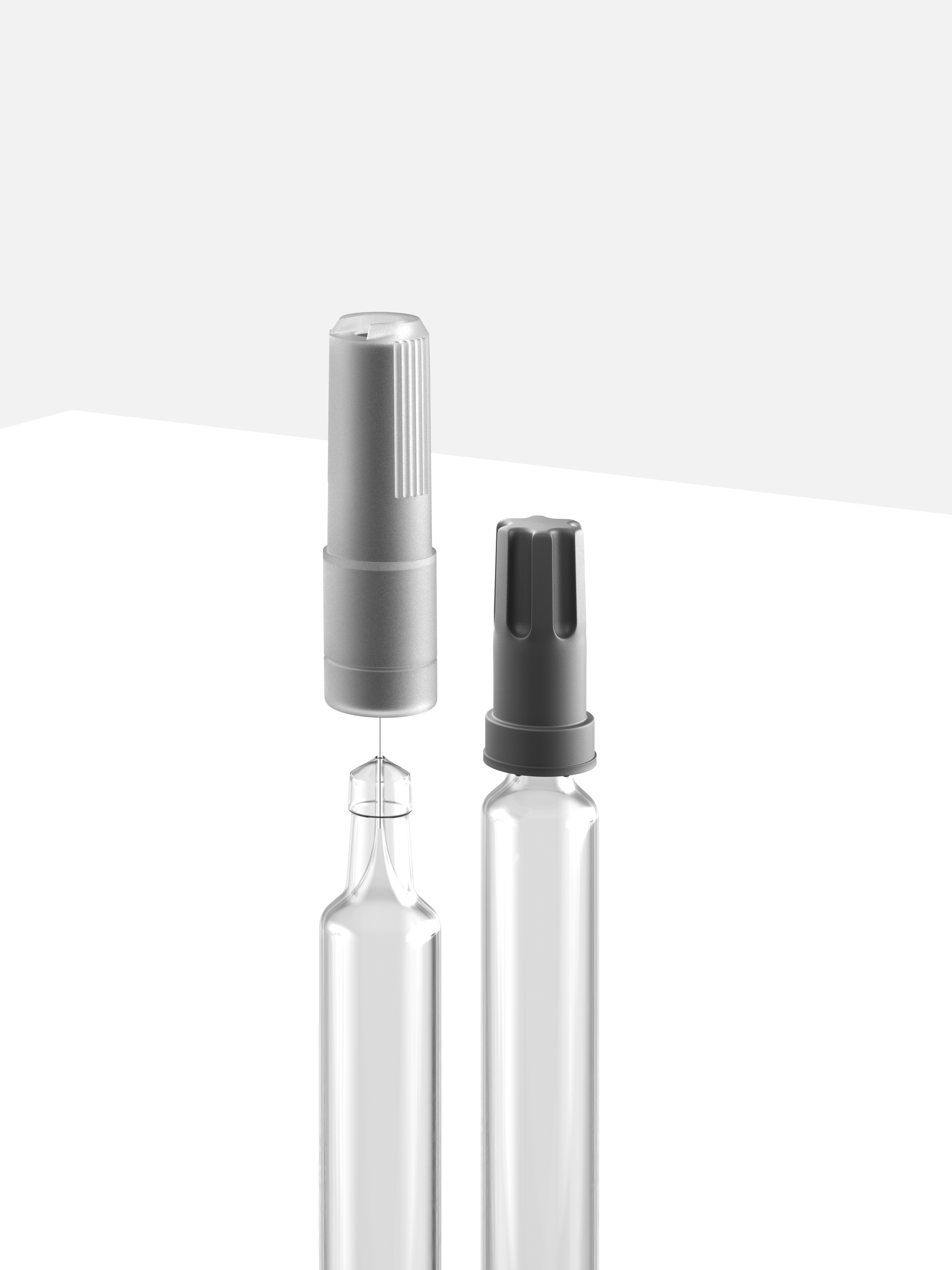
The importance of primary packaging has grown as the market moves toward home-care solutions. Prefilled syringes and autoinjectors can give patients greater autonomy over medication administration, while requiring packaging systems that maintain integrity during everyday handling, transportation and use outside controlled healthcare facilities.
This is particularly relevant for treatments such as insulin, where patients may administer multiple injections and carry their drug delivery devices with them. Packaging components must continue to perform reliably throughout the product’s intended use.
Container closure integrity in parenteral packaging
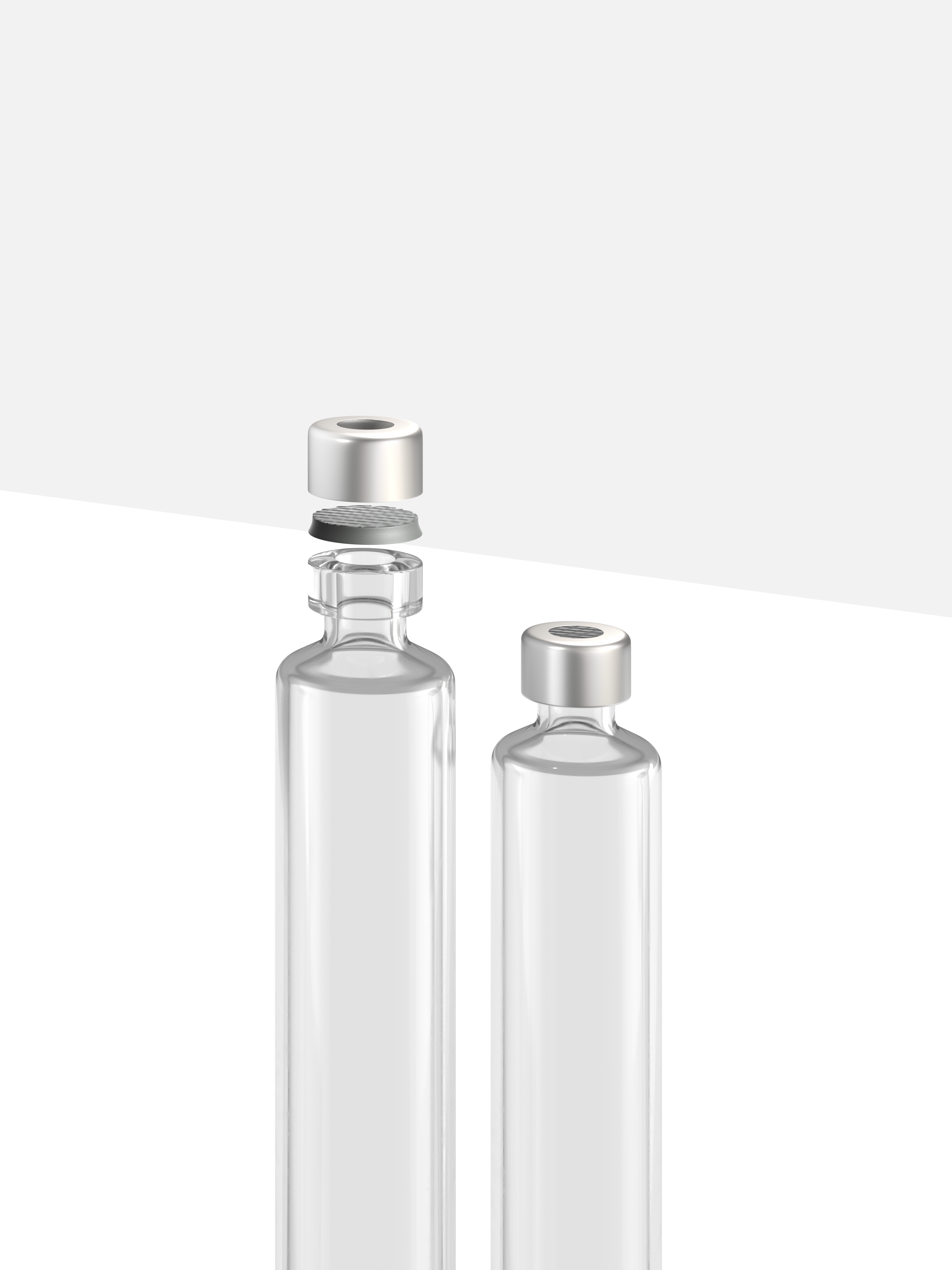
At the heart of parenteral packaging performance is container closure integrity, or CCI. CCI refers to a container-closure system’s ability to maintain its seal and sterile barrier throughout its intended shelf life and use. This helps prevent environmental ingress, contamination and product loss.
A compromised seal can affect sterility, product quality or dose delivery and may render a product ineffective or unsafe.
CCI requirements are application-specific. A multi-dose vial that is punctured repeatedly requires a closure that reseals reliably after each use. A home-use drug delivery device may be carried in a pocket or bag, requiring its container-closure system to withstand movement and impacts without compromising integrity.
Each application brings different requirements. Packaging teams must therefore select components and systems that meet the needs of the drug product, delivery device and intended use.
Patient safety risks associated with parenteral packaging
The white paper examines patient safety risks associated with parenteral packaging, including:
- Container closure integrity failures
- Extractables and leachables interactions with sensitive biologics
- Visible and sub-visible particulate contamination
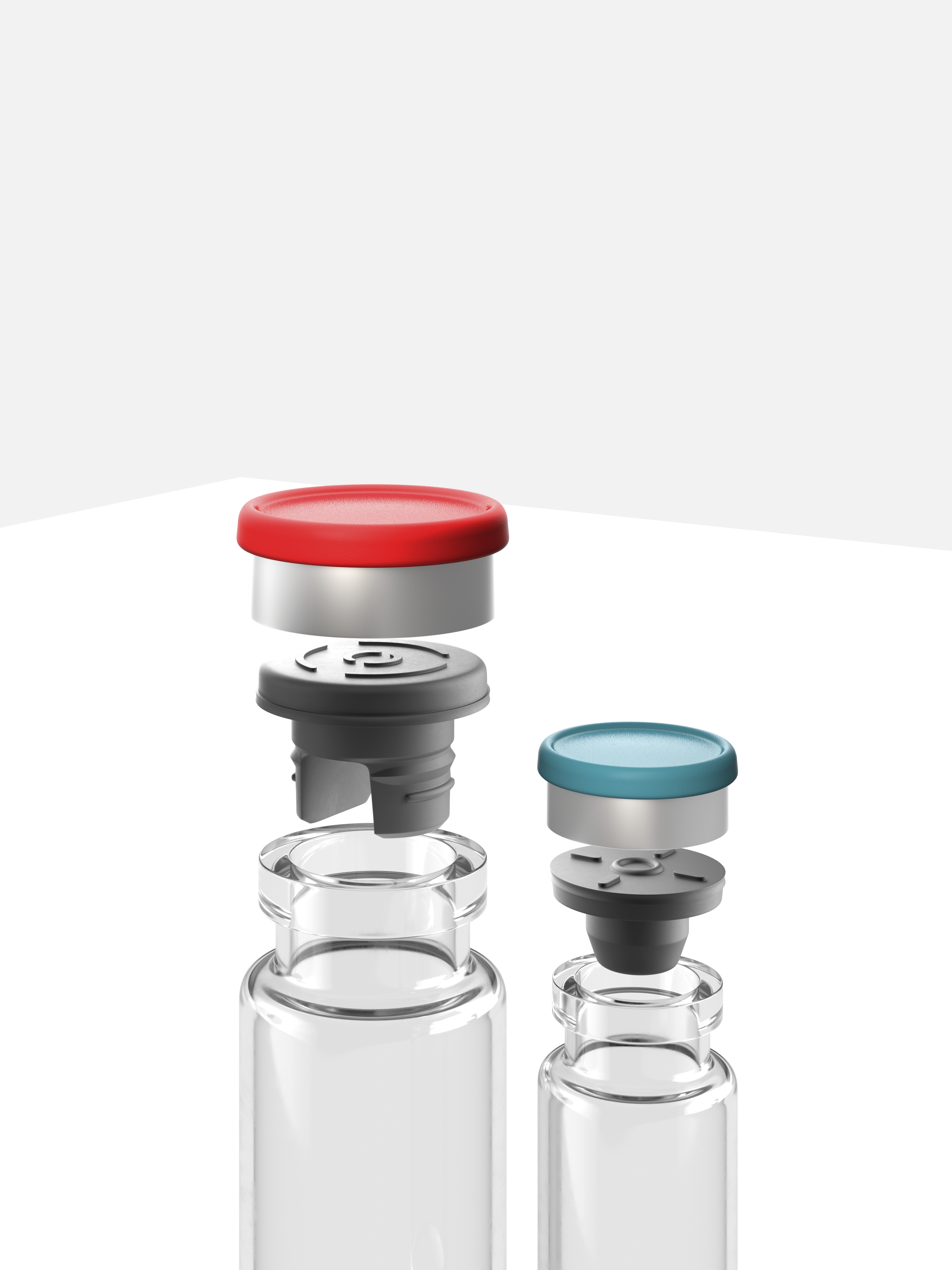
- Self-sealing performance of multi-dose elastomeric closures
By applying appropriate risk-management, design and manufacturing controls, packaging teams can mitigate these risks throughout development and production.
Manufacturing excellence in parenteral packaging
Addressing the risks associated with parenteral packaging requires a manufacturing philosophy built around patient safety. For Datwyler, this means applying quality-by-design principles so that protection is engineered into components and processes from the outset.
FirstLine® manufacturing
Datwyler’s FirstLine® manufacturing standard combines ISO 5 cleanroom environments, automated production cells and 100% automated camera inspection to help identify defects before a component reaches a drug product.
Operating under a zero-defect philosophy, FirstLine® minimises human contact with the manufacturing environment. It is particularly well suited to sensitive biologics and orphan drugs, where component quality and cleanliness are critical.
Fluoropolymer coating technology
Datwyler’s OmniFlex® stoppers and NeoFlex™ plungers feature a full-surface fluoropolymer spray coating that creates a protective barrier between the elastomer and the drug product.
This coating is designed to reduce the potential for extractables and leachables to interact with sensitive formulations while supporting component cleanliness and drug compatibility.
To learn more about how Datwyler’s approach helps protect drug integrity across the parenteral packaging supply chain, download the full white paper.
Who is this white paper for?
This white paper is intended for:
- Pharmaceutical and biotechnology teams
- Packaging and drug-delivery system developers
- Quality, manufacturing and product-development professionals
- Individuals seeking to understand parenteral packaging and patient safety