Webinar
Sterilization Techniques for Parenteral Packaging Components
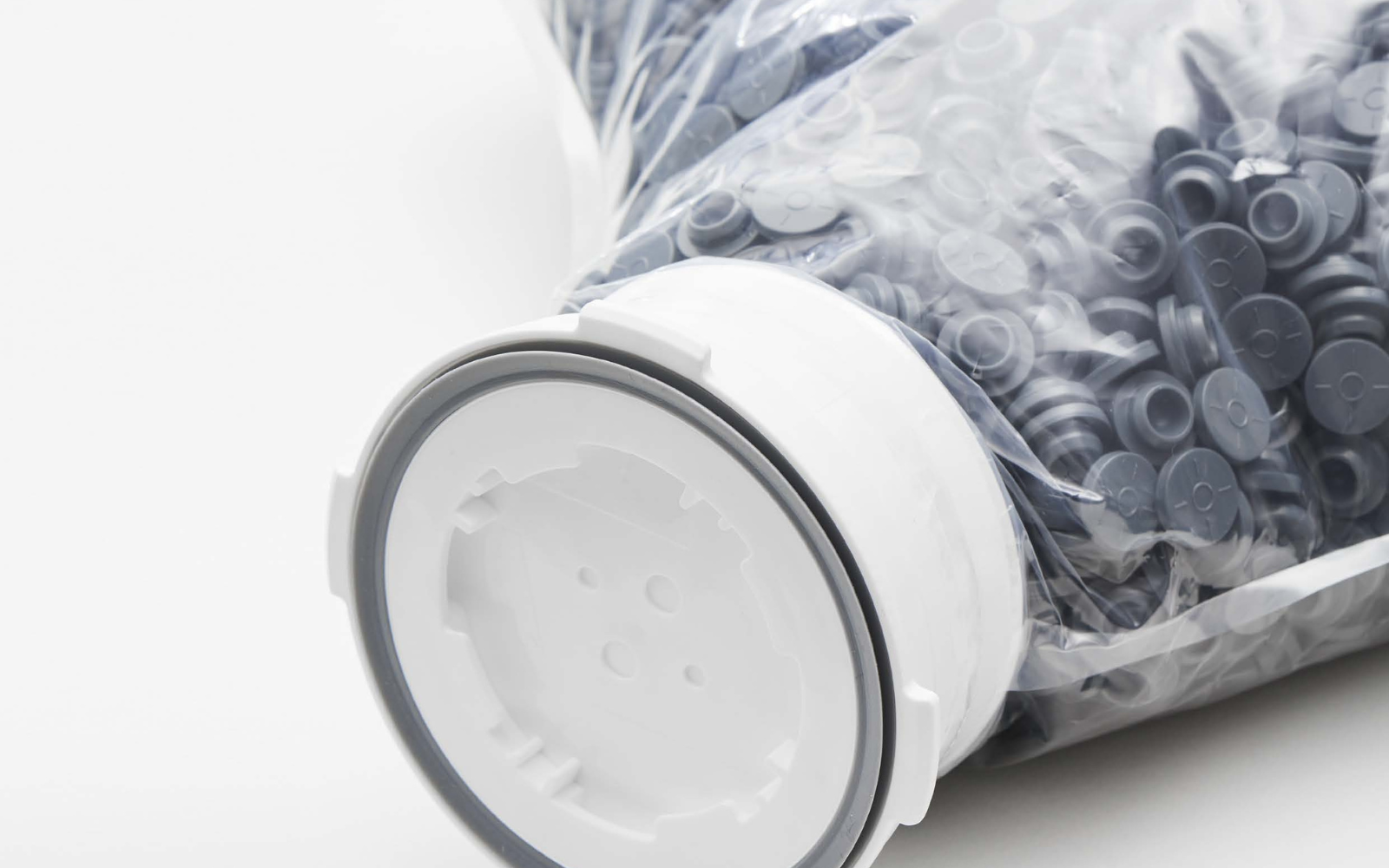
This on-demand webinar delivers a comprehensive comparative review of sterilization methods for elastomeric parenteral packaging components — from steam autoclave, gamma irradiation, and ethylene oxide to emerging alternatives including chlorine dioxide (ClO₂) and X-ray — with experimental data on the chemical, functional, and extractables impact of each technique on FM457 bromobutyl and other elastomer compounds.
Status
Published
Format
Webinar
Language
English
Access
Registration Required
Resource Overview
About this Webinar
Selecting the right sterilization method for elastomeric parenteral packaging components is not a one-size-fits-all decision — it depends on compound chemistry, packaging format, fill-finish environment, and an increasingly complex regulatory and supply landscape in which ethylene oxide is under environmental scrutiny and cobalt-60 sources for gamma irradiation are becoming scarce. This on-demand webinar provides a systematic technical review of all sterilization techniques applicable to rubber closures, plungers, needle shields, and tip caps used in injectable drug packaging. Traditional methods covered include steam autoclave (30 min at 121°C; no measurable chemical effect but moisture management critical for lyophilization applications), gamma irradiation (10–40 kGy; high penetrability for bulk pallet sterilization; compound-dependent effects on fragmentation, hardness, and gliding behavior), and ethylene oxide (limited to isoprene and SBR needle shields and tip caps with high EtO-permeability compounds; not used on halobutyls due to long quarantine times). The webinar then presents experimental case study data on two emerging alternatives: chlorine dioxide (ClO₂) sterilization — tested across FM457 bromobutyl (coated and uncoated) and FM30 SBR at standard and 20x doses, assessed per USP <381> and Ph.Eur. 3.2.9 for functional and chemical compliance, with results showing equal or superior performance compared to gamma and EtO; and X-ray sterilization — shown to produce similar physical and functional effects to gamma on halobutyl compounds, with superior dose uniformity ratio (DUR) and the operational advantage of electricity-based generation without radioactive cobalt-60 dependence.
Watch the Webinar
Watch the Webinar On-Demand
Start the on-demand session instantly after quick registration.
Watch the Webinar
Quick access in under 30 seconds.
Expert Spotlight
Meet the Expert
.png)
Simon Kervyn
Manager, Surface Development
·
Datwyler
Simon Kervyn graduated as a PhD in organic chemistry and materials from the University of Namur, Belgium in 2012. After research stays at National Institute of Materials Sciences in Tokyo and at UCLA, Los Angeles, he worked at the Coatings Research Institute in Belgium.
In 2017, he joined Datwyler R&D and now works as manager surface development. In this position he performs customer’s dedicated research to optimize the selection of rubber components to their applications. He also works on the development of coated products for the Datwyler portfolio. Furthermore, he supports analytical investigations of extractables including PFAS.